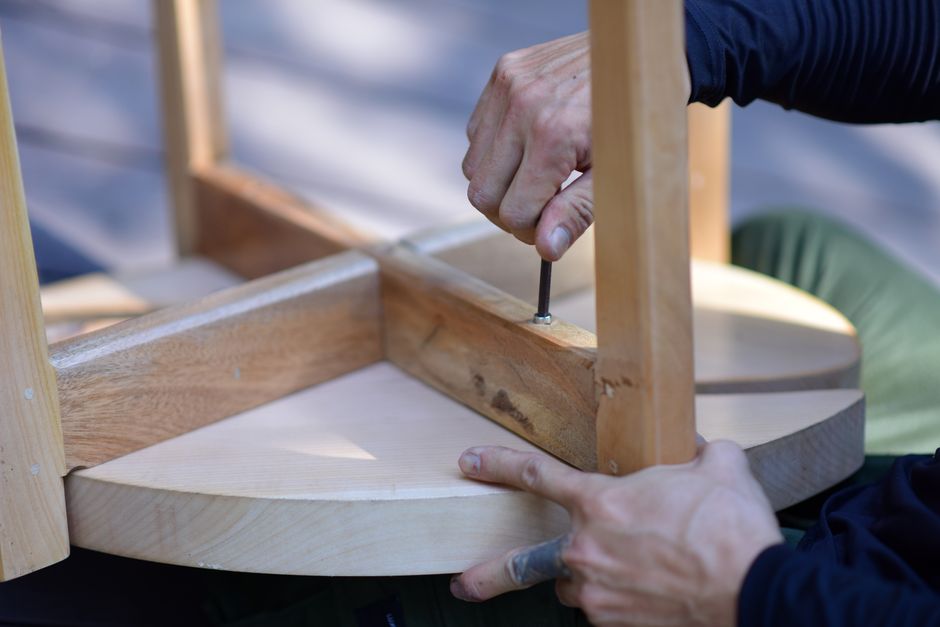
Wood Repair
How to Fix a Wobbly Chair Leg in 10 Minutes
A loose chair leg can be annoying. This guide shows how to…
Read
RestoreCraft is a blog dedicated to helping home DIY enthusiasts approach furniture repair and restoration with confidence. Our content focuses on clear, step-by-step methods for common issues such as repairing surface scratches, replacing worn hardware, and refreshing upholstery. Each guide is designed around practical techniques that can be applied in a home workshop setting. We emphasize process and methodology, allowing readers to understand the underlying steps without promising specific outcomes. By sharing these informational frameworks, RestoreCraft aims to support those who wish to extend the life of their furniture through their own hands-on efforts.
When scratches appear on a wooden surface, several techniques can be considered depending on the depth and finish of the wood. One common method involves using a mixture of vinegar and olive oil to lightly blend the scratch into the surrounding grain. For deeper marks, a wax filler stick in a matching shade may be applied and buffed to a smooth finish. Each approach requires careful preparation of the area and patience during application.
Updating drawer pulls or cabinet knobs can refresh the look of a piece without extensive work. The process typically involves measuring the existing screw spacing, selecting compatible replacements, and then mounting them with a screwdriver. To avoid stripping screws, it is helpful to pre-drill pilot holes when working with hardwoods. Some hardware kits include templates to simplify alignment.
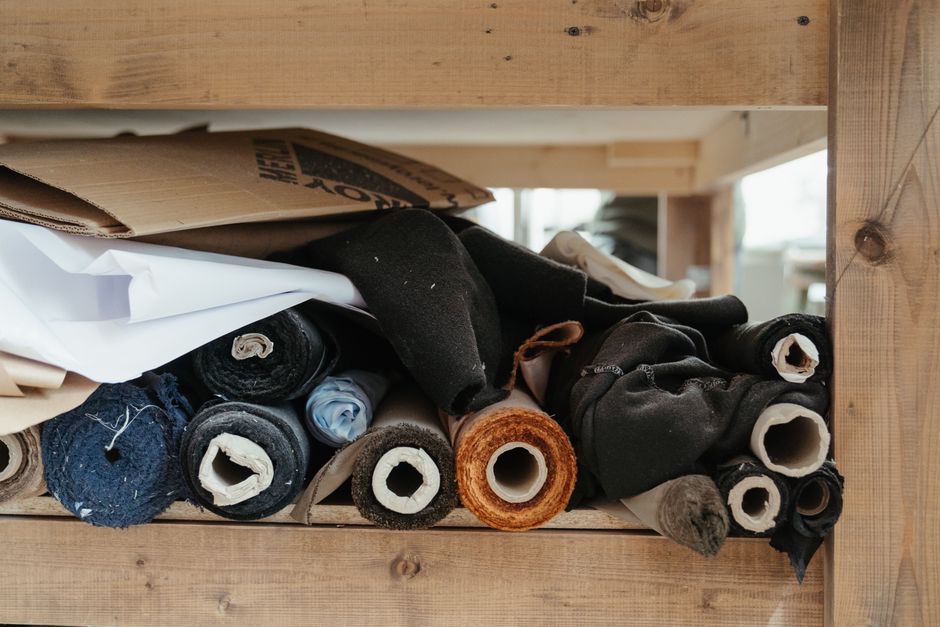
For fabric-covered furniture, reupholstering is a multi-step process that starts with careful removal of the old fabric and padding. Using a staple remover and pliers, the original cover is detached to expose the frame. New foam or batting can be cut to size, then fresh fabric is stretched and secured with a staple gun. Corner folds and pleats require attention to create a clean appearance. This method allows for complete customization of colors and textures.
Receive step-by-step instructions for fixing hardware, updating upholstery, and removing scratches. Each newsletter includes actionable advice to help you extend the life of your furniture.